
How EU Methane Regulation 2024/1787 Affects Gas Importers
The EU’s Regulation 2024/1787, which aims to reduce methane emissions in the energy sector, is a landmark piece of legislation with a global reach. As the world’s largest importer of natural gas, the EU recognizes that the majority of methane emissions associated with its energy consumption occur outside its borders. Consequently, the regulation places a series of direct, phased-in obligations on importers of gas, fundamentally reshaping international energy trade.
This article outlines how the new rules will impact your business and provides a roadmap for ensuring compliance.
The Phased-In Requirements for Importers
The regulation introduces a new era of transparency and accountability for imported fossil fuels. The requirements are designed to progressively tighten over time, encouraging a shift towards global, measurement-based standards.
Phase 1: Reporting & Contract Provisions (2024-2025)
From August 4, 2024: Importers must begin including clauses in all new and renewed supply contracts that ensure third-country producers comply with the regulation’s monitoring and reporting obligations. This means contractual language must be updated immediately to reflect the new legal reality.
By May 5, 2025: A new annual reporting obligation begins. Importers must provide their national competent authority with information about their suppliers, including the producer’s name, country of origin, and a summary of their methane emission monitoring and reduction efforts.
Phase 2: The Equivalence Mandate (2027)
From January 1, 2027: This is a critical deadline. All new import contracts for natural gas can only be concluded if the third-country producer is subject to Monitoring, Reporting, and Verification (MRV) measures equivalent to those required of EU producers. For existing contracts, importers must demonstrate that they have made “all reasonable efforts” to achieve this equivalence. This provision creates a powerful incentive for international suppliers to adopt EU-level standards.
Phase 3: Methane Intensity (2028-2030)
From August 5, 2028: Importers must begin to report annually on the methane intensity of their imports from new and renewed contracts. Methane intensity is the amount of methane emissions per unit of gas produced.
From August 5, 2030: The regulation introduces a maximum methane intensity value. Importers must demonstrate that all gas imported under new or renewed contracts has a methane intensity below this threshold, which will be defined in future EU legislation. Imports that exceed this value may face significant penalties.
From Risk to Opportunity: The Role of Mobile Monitoring
For importers, the primary challenge is no longer just securing supply, but verifying its environmental credentials. The regulation shifts the burden of proof to the importer, demanding measurement-based data rather than estimates.
This is where advanced monitoring technologies offer a strategic advantage. Instead of relying on a supplier’s self-reported data, importers can:
Conduct Independent Verification: Deploy mobile emissions monitoring services to perform independent, third-party verification of a supplier’s reported data. This ensures you can confidently meet the regulation’s equivalence requirements and provides a verifiable audit trail for your reports.
Support Suppliers with Compliance: Many international suppliers may lack the in-house capabilities to meet the EU’s strict MRV and LDAR (Leak Detection and Repair) standards. By partnering with a mobile monitoring provider, importers can offer a turn-key solution to their suppliers, helping them achieve compliance and secure their access to the lucrative European market. This fosters a collaborative approach to emissions reduction.
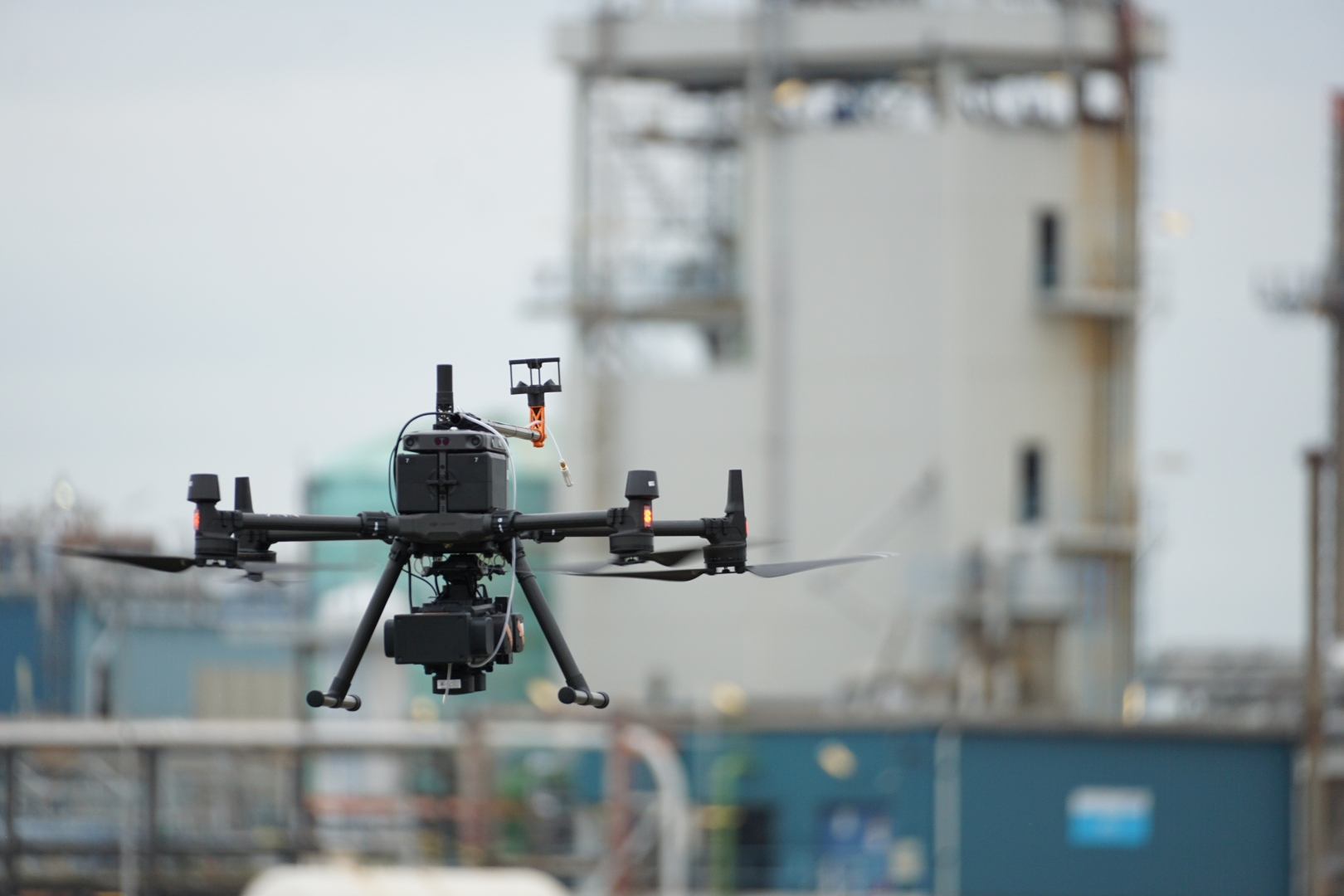
Solutions like Aeromon’s mobile emissions monitoring provide the necessary precision and flexibility to fulfill these new obligations. Our technology can rapidly survey vast and complex production sites, providing the measurement-based data needed for verification and reporting.
Conclusion: Secure Your Supply Chain
The EU Methane Regulation is a game-changer for the global gas market. The cost of non-compliance, including fines of up to 20% of annual turnover, is a clear and present risk. By taking proactive steps now to understand and implement the new rules, importers can transform a regulatory challenge into a competitive advantage. Partnering with a trusted emissions monitoring provider is the most effective way to verify your supply chain’s environmental performance and ensure long-term market access.
Interested in learning more? Read more about Aeromon’s services to the energy industry here: https://aeromon.io/industries/oil-gas/