Your OGMP 2.0 Compliance Questions Answered
What is OGMP 2.0 and why is it important?
The Oil & Gas Methane Partnership 2.0 (OGMP 2.0) is a global, multi-stakeholder framework that aims to improve the accuracy and transparency of methane emissions reporting in the energy sector. Unlike other standards that rely on generic estimates, OGMP 2.0 is based on direct, measurement-informed reporting. It is critical because it’s becoming the global gold standard for methane accountability, influencing both investment decisions and regulatory frameworks, including the EU Methane Regulation.
What is the “Gold Standard” in OGMP 2.0?
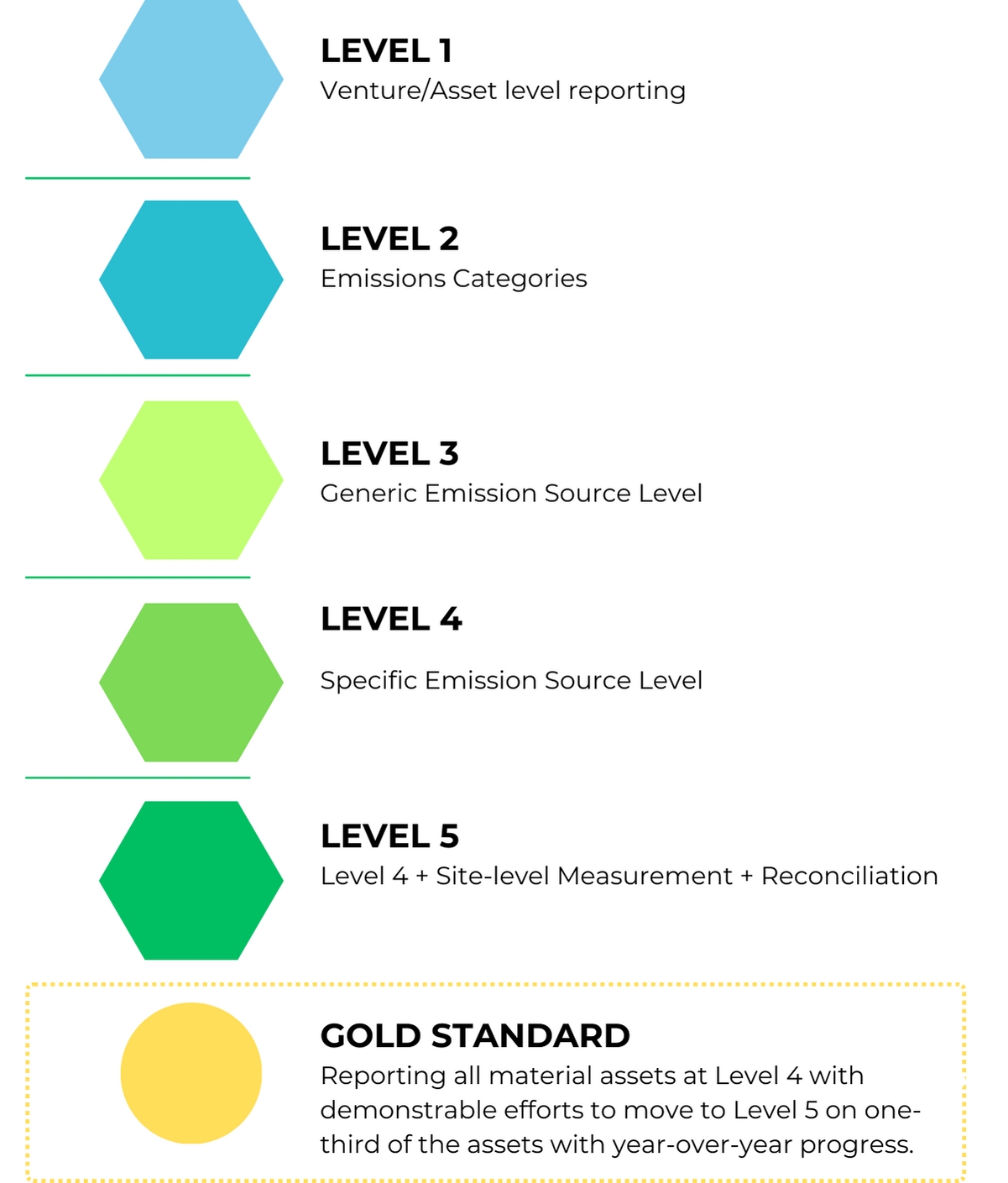
The Gold Standard is the highest level of achievement in the OGMP 2.0 framework. It signifies that a company has moved beyond estimations and is reporting its methane emissions based on direct, measurement-informed data for all material assets. Achieving this standard demonstrates a commitment to transparency and climate action that is highly valued by regulators, investors, and the public.
How do the different reporting levels work?
OGMP 2.0 uses a tiered reporting system to guide companies on their journey to the Gold Standard.
- Level 1-3: These levels rely on broad, generic estimations based on factors like equipment type and throughput.
- Level 4: This requires source-level measurements, where individual sources (like a compressor or valve) are quantified using direct measurement technologies.
- Level 5: This is the final step. It requires site-level measurements, which independently verify and reconcile the source-level data from Level 4, providing a comprehensive and highly accurate view of a site’s total emissions. The Gold Standard is achieved when a company reports on all material assets at Levels 4 and 5.
What is “reconciliation,” and why is it so important?
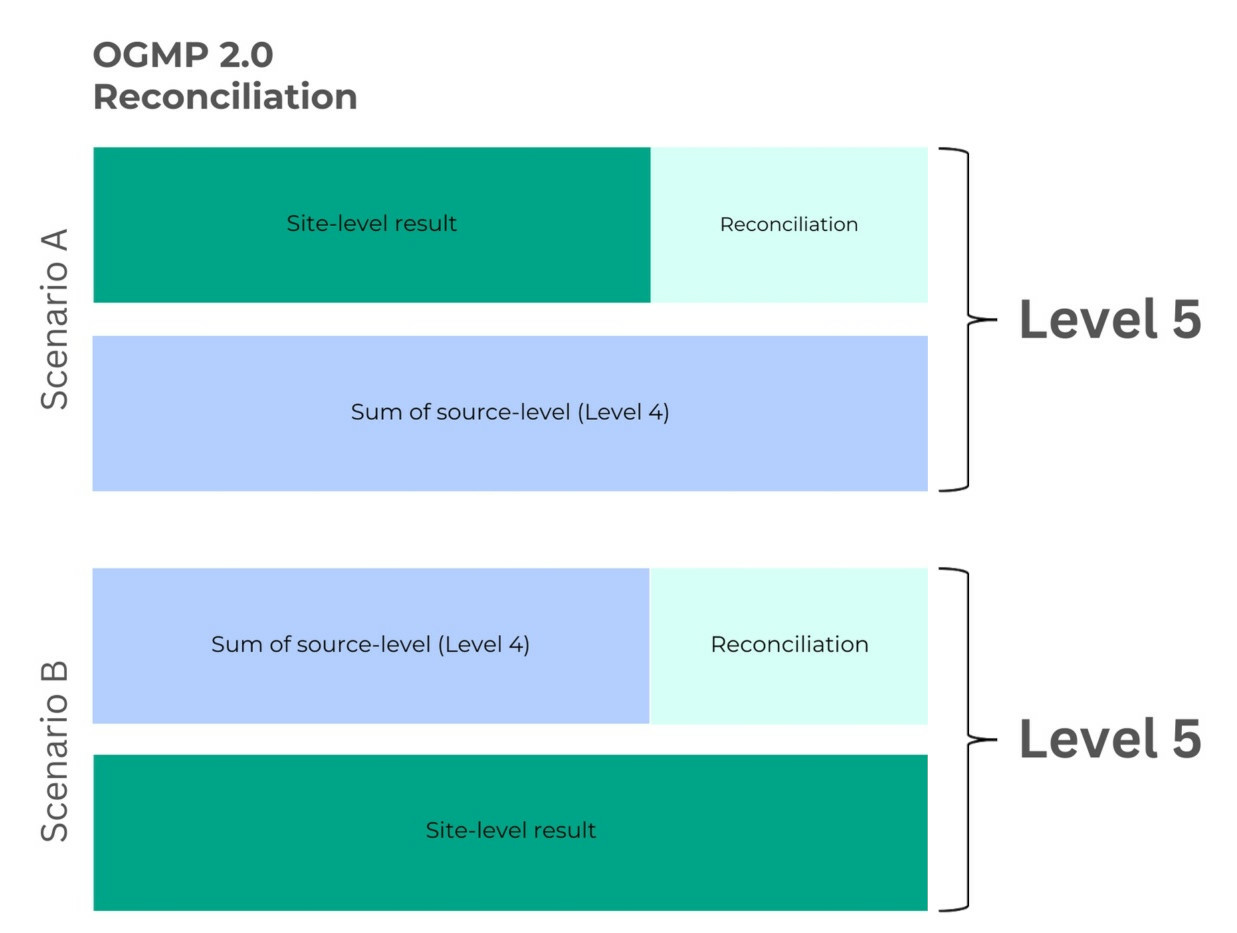
Reconciliation is the process of comparing the sum of your source-level measurements (Level 4) with an independent, site-level measurement (Level 5) of the same area. This is a crucial step to ensure the accuracy and completeness of your emissions inventory. It helps to identify any leaks or emissions sources that may have been missed during a source-by-source inspection, thereby ensuring your total reported emissions are correct and credible.
What is the role of technology in achieving the Gold Standard?
Achieving the Gold Standard is impossible without advanced technology. You need tools that can provide accurate, measurement-based data at both the source and site levels. These technologies must be reliable, efficient, and capable of covering large areas quickly. For instance, mobile emissions monitoring with high-precision sensors on drones or vehicles is essential for both Level 4 and Level 5 reporting.
How can Aeromon’s solution help us achieve OGMP 2.0 compliance?
Aeromon’s mobile emissions monitoring service is specifically designed to meet the rigorous demands of OGMP 2.0. Our solution provides the necessary measurement-based data for both Level 5 (site-level) reporting and reconciliation. By using our services, you can:
- Conduct site-wide assessments for Level 5 reconciliation.
- Get real-time, actionable data to prioritize repairs and demonstrate your commitment to accurate reporting.
- Measure multiple gases, which strengthens your overall emissions reporting.
Read more answers to Frequently asked questions on OGMP 2.0 here!