How to Reduce Flaring Emissions with Mobile Emissions Monitoring
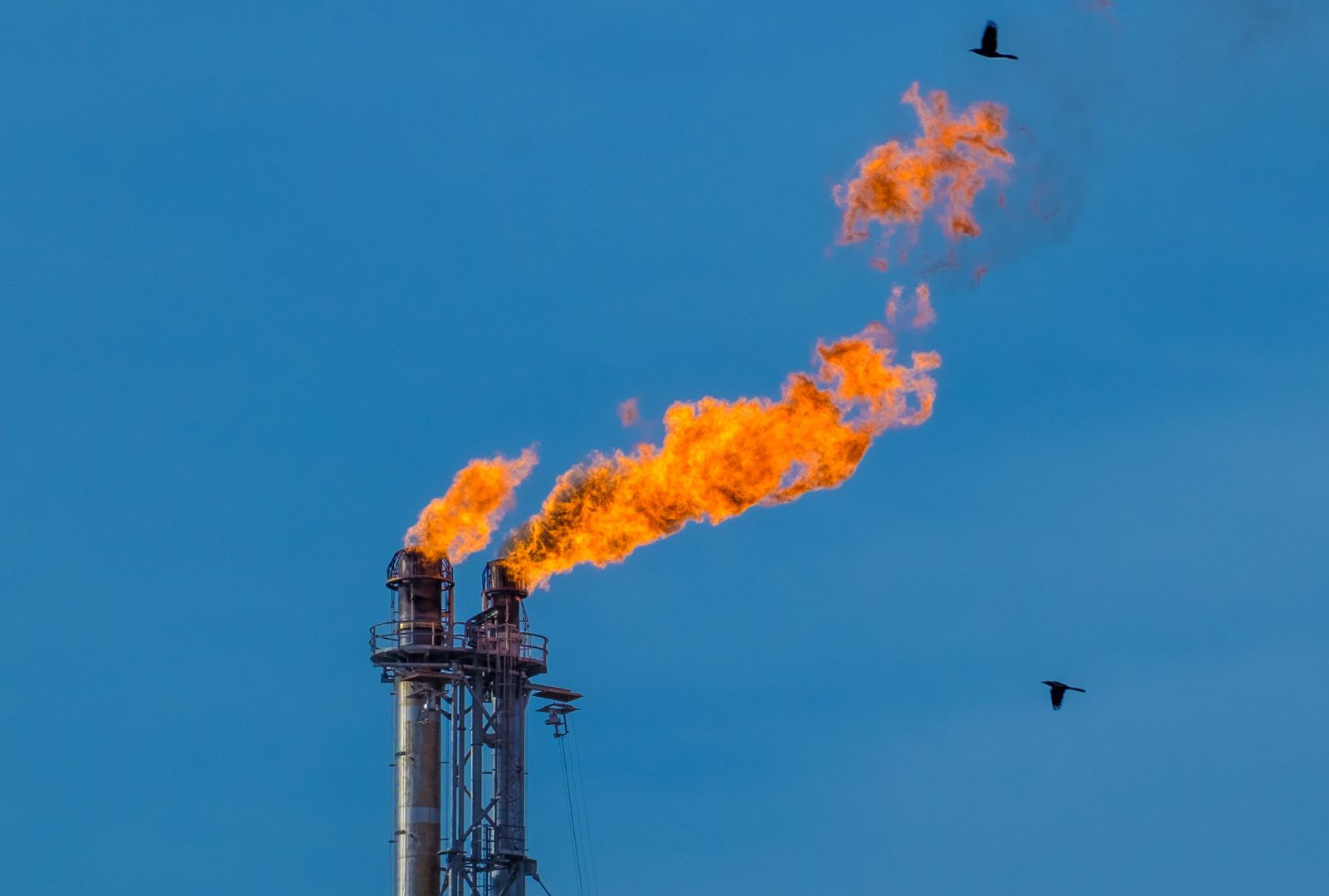
Flaring, the controlled burning of excess gas during oil and gas operations, has long been a standard practice. However, as environmental scrutiny intensifies and regulations like the EU Methane Regulation take effect, flaring is no longer a viable solution. It represents a significant loss of saleable product, contributes to greenhouse gas emissions, and poses a risk to air quality. For operators, the challenge is clear: move beyond reactive flaring management to a proactive strategy of emissions reduction at the source.
The New Regulatory Landscape
Pressure to eliminate flaring is mounting from both a regulatory and a global initiative standpoint.
- EU Regulation 2024/1787: The EU Methane Regulation introduces a direct ban on routine venting and flaring. While flaring is still permitted for safety reasons or emergencies, this ban forces operators to seek alternatives for gas that would have otherwise been routinely flared. The regulation sets a high efficiency standard, requiring all flares to have a destruction and removal efficiency of at least 99%. This means operators must ensure their flares are functioning optimally to avoid releasing uncombusted methane.
- Zero Routine Flaring by 2030: Led by the World Bank, this global initiative brings together governments, oil companies, and development institutions who have committed to ending the wasteful and polluting practice of routine flaring by 2030. It sets an international precedent and signals a global move toward more responsible energy production.
Understanding the Root Causes of Flaring
To reduce flaring, we must first understand its causes. While flaring often occurs during planned shutdowns or in response to emergency pressure releases, a major contributor is the constant stream of fugitive emissions and leaks from aging infrastructure. Gas that is not captured and leaks from sources like valves, flanges, and compressors must be managed, and it is often routed to a flare. This means that a large portion of flaring is not a planned safety measure but rather a symptom of inefficient, leaky operations.
Traditional approaches to managing these emissions have been reactive. Manual inspections are infrequent and can miss widespread leaks, while reliance on calculated estimates provides a limited and often inaccurate picture of the problem. This approach makes it impossible to pinpoint the specific sources of gas that are feeding the flare, leaving operators unable to implement targeted solutions.
A Game-Changer: Mobile Emissions Monitoring
Mobile emissions monitoring transforms this reactive model into a proactive one. Using advanced sensors on platforms like drones and vehicles, this technology can rapidly and accurately scan entire sites to detect, locate, and quantify emissions.
The key advantages of this approach are:
Proactive Leak Detection: Mobile monitoring identifies fugitive emissions and leaks from a distance, allowing operators to fix them before they become a larger problem and necessitate flaring.
Accurate Quantification: It provides real-time, measurement-based data on the volume of gas being lost from specific sources. This information is critical for prioritizing repairs and demonstrating compliance with standards like OGMP 2.0.
Multi-Parameter Monitoring: Modern systems can measure multiple gases simultaneously. For instance, in sour gas areas, monitoring both methane and hydrogen sulfide (H2S) provides critical data for both environmental performance and HSE (Health, Safety, and Environment) development, ensuring the safety of personnel and local communities.
Operational Optimization: By providing a comprehensive map of emissions, the data helps operators identify process inefficiencies. Real-time data also provides a clearer understanding of emissions under different operational loads, enabling a more precise and data-driven approach to process improvement.

How Mobile Monitoring Directly Contributes to Flaring Reduction
Early Leak Detection & Repair (LDAR): Reducing the overall volume of gas lost to the atmosphere, which might otherwise be routed to a flare.
Identifying Process Inefficiencies: Discovering operational issues that lead to excessive gas generation or an inability to process it.
Optimized Gas Management: Informing decisions on gas gathering, compression, and processing capacity.
Optimizing the Flaring Process: By continuously monitoring the flare, real-time data on combustion efficiency can be gathered. This information allows for the optimization of the flaring process itself, leading to a more complete combustion of waste gas and thus an emission reduction even when flaring is unavoidable.
Compliance & Reporting: Providing the data needed for robust, measurement-based reporting as required by OGMP 2.0 and the EU Methane Regulation, demonstrating efforts to reduce flaring.
Aeromon’s Solution: Precision in Action
Aeromon’s mobile emissions monitoring service, powered by the BH-12 Measurement Device, is designed to tackle these challenges head-on. Our technology is not limited to a single gas; it can measure dozens of different compounds, including methane and H2S. This multi-parameter capability makes it a versatile tool for both emissions reduction and industrial safety.
By using Aeromon’s service, you can:
-Identify the exact sources and volumes of fugitive emissions contributing to flaring.
-Get the robust, quantified data needed to comply with stringent new regulations.
-Create a safer working environment by continuously monitoring hazardous gases like H2S.
-Transition from a reactive strategy to a proactive one, reducing both environmental impact and operational costs.
Read more on Aeromon’s process monitoring services here: https://aeromon.io/services/process-monitoring/
Take Control of Your Emissions
Reducing flaring is no longer an option—it’s a regulatory and social necessity. By adopting a solution that provides accurate, measurement-based data on all your emissions, you can take control of your operations, meet compliance requirements, and build a more sustainable future.
Contact Aeromon today to learn how our mobile emissions monitoring service can help you achieve your flaring reduction goals and optimize your operations.